Tomorrow evening I’m off to Captiva, Florida to participate in the Rauschenberg Residency program. This will be my first time in Florida and my first experience of a residency program. Pretty much all that I know now is in the press release:
ROBERT RAUSCHENBERG FOUNDATION ANNOUNCES INAUGURAL PILOT YEAR FOR ITS ARTISTS RESIDENCY ON CAPTIVA
July 9th, 2012 (New York, NY)—The Robert Rauschenberg Foundation (RRF) is pleased to announce the inaugural launch of its pilot year for the Rauschenberg Residency in Captiva, Florida.
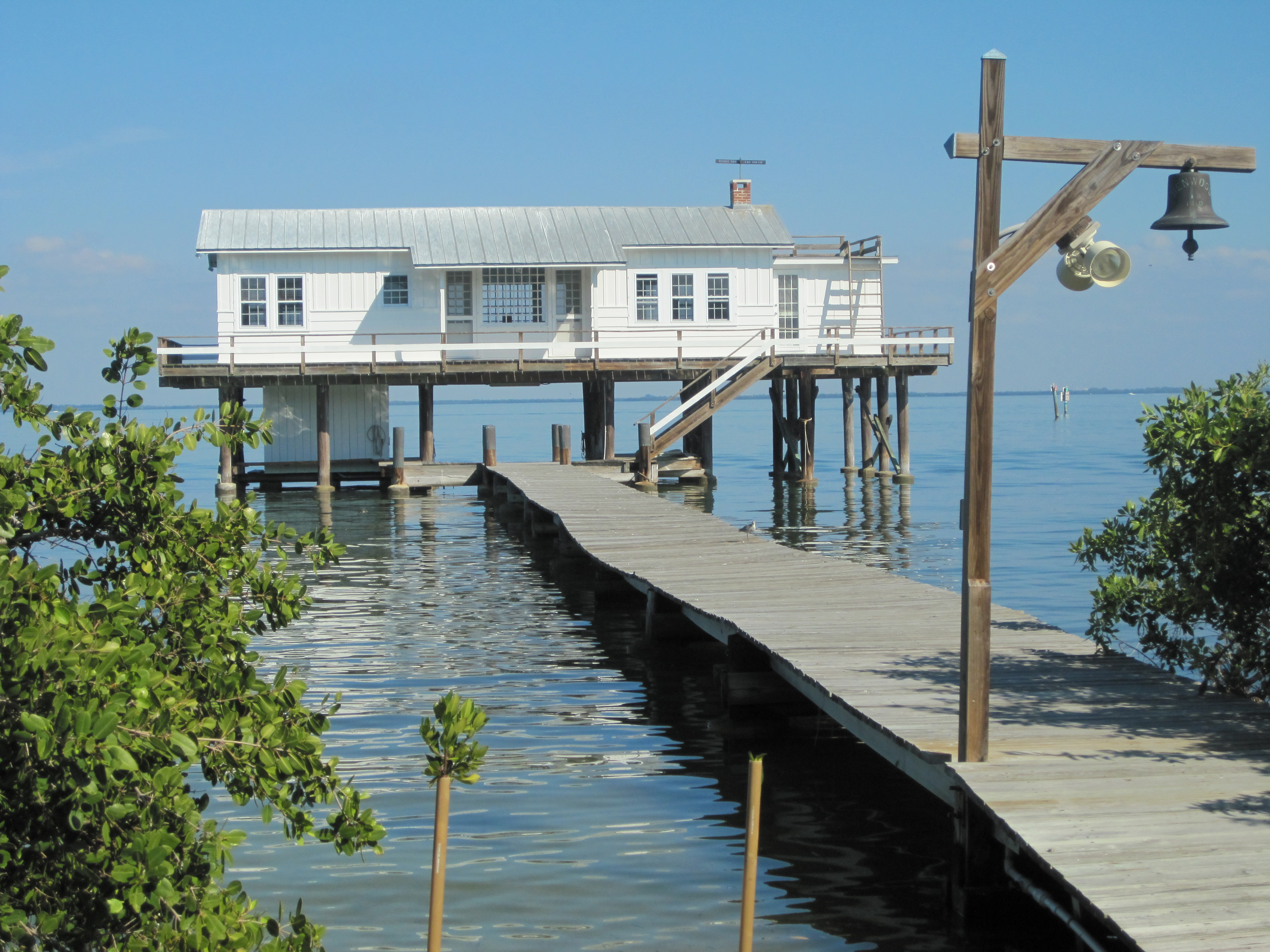
Robert Rauschenberg’s 26-acre estate on Captiva Island, Florida will be transformed into a creative center that welcomes leaders in the visual arts, music, dance, writing, and a variety of scholarship and disciplines from around the world to live, work, and develop new work in residence on the property. The Rauschenberg Residency on Captiva is inspired by Rauschenberg’s early years at Black Mountain College where an artistic community brought out elements central to his legacy—collaboration and exploration—learning from and working with others to break new ground.
“The Rauschenberg Residency will serve artists, writers, musicians, dancers, and scholars in remarkable ways. By providing these individuals the time and space to explore in the same incredible setting that inspired Robert Rauschenberg for over 40 years we hope to act as a catalyst for new thought and creation.” said Jason Kalajainen, Creative Director of the Rauschenberg Residency.
The pilot program perpetuates Rauschenberg’s ability to inspire and impact the artists who follow in his footsteps, enabling creativity to develop out of community and interaction. Each of the 30-plus gifted artists invited to participate in the pilot brings with them a distinct artistic background and focus. The interplay of their solo and shared experiences during their stay at Captiva mirrors Robert Rauschenberg’s career-long interest in collaborative creativity, and will promote the spirit of innovation and boundary-pushing for the participants. Moreover, the collective nature of an eclectic group made up of individual artists reflects similar themes and methods that intrigued Rauschenberg throughout his life, especially the mix of media, materials and techniques. The experience will be symbolic of his belief that art has the power to bring about change, whether on a global or philanthropic level— and even within the artistic community itself.
The pilot residencies will run from November 2012 through June 2013 in four-week blocks, and there will be follow-up one year later to ascertain how the residency impacted the participants’ work.
Additionally, beginning in the fall of 2013, the Rauschenberg Residency will welcome 60-70 exceptional individuals annually during eight 4-week residency blocks. These resident fellows will come from across the United States and around the world, and will represent a complete range of artistic pursuits, including visual arts, architecture and design, classics, dance, literature, landscape architecture, music, and theater, among others. Having this breadth of disciplines honors Robert Rauschenberg’s myriad interests and endeavors, and will encourage the kind of cross-discipline collaboration and learning he promoted throughout his life.
A nominating committee comprised of leaders in a variety of creative fields from diverse geographies and institutions will be established that will work with Jason Kalajainen, the residency program’s Creative Director, to identify individuals who will be invited to apply. Once nominated, candidates will submit their materials through an online application to be reviewed by the Residency staff.
“Bob assembled the property over the course of 40 years with the intent of preserving the environment and building a place where artists of many disciplines could come together to develop new ideas. The residency program will be true to Bob’s vision,” said RRF Board Member Sidney Felsen, who chairs the Foundation’s Captiva Planning Committee.
About the Rauschenberg Residency:
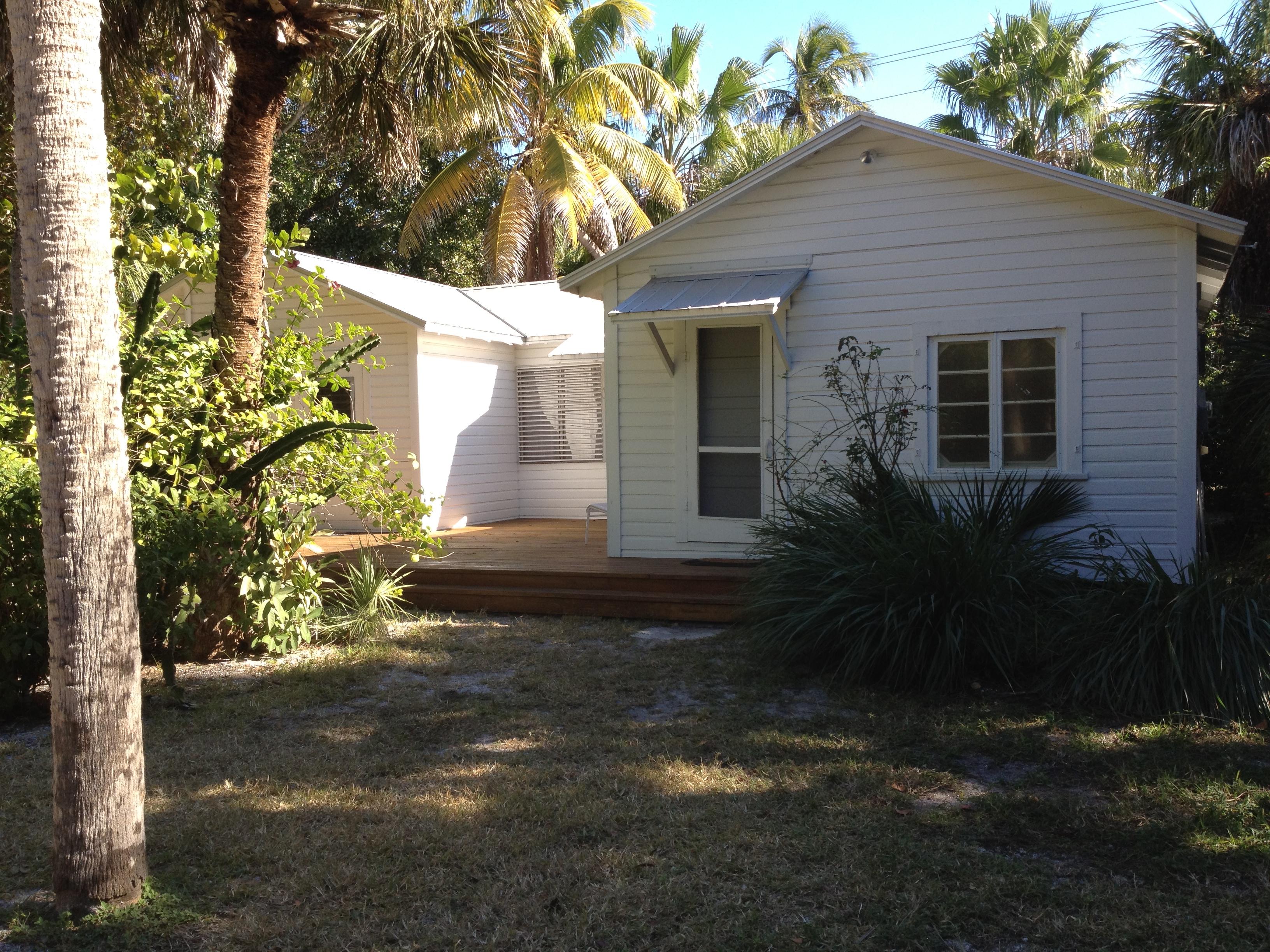
For over 40 years, Robert Rauschenberg called Captiva “Home.” The 26-acre site boasts nine buildings, including Rauschenberg’s original beach home and studio, as well as his state of the art studio facility and six additional individual homes. This property is now an official part of the Robert Rauschenberg Foundation. The Rauschenberg Residency on Captiva will support RRF’s mission by cultivating the talent of others, support new ideas and artistic exploration, and preserve the natural environment, which Rauschenberg saved parcel by parcel.
About the Robert Rauschenberg Foundation (RRF)
Robert Rauschenberg Foundation was formed by Robert Rauschenberg in 1990 to promote awareness of the causes and groups close to his heart. Since the conversion of Rauschenberg’s Estate into the Foundation, RRF oversees the management of Robert Rauschenberg’s artwork, including its exhibition and scholarship, as well as the growth of philanthropy programs central to Rauschenberg’s concerns during his lifetime. RRF’s operations now include scholarship & curatorial activities at 381 Lafayette, Rauschenberg’s New York home and studio; exploratory projects at RRF’s 19th Street Project Space; philanthropic programs focused on activism; innovation & collaboration; art and education; seed-funding of grass-roots arts organizations; and, finally, the Rauschenberg Artists Residency on Captiva.
For further information please visit: www.rauschenbergfoundation.org
To follow news and developments on the pilot program as well as all Robert Rauschenberg Foundation programs:Facebook Tumblr Pinterest


 Paul Sutinen